


Amsterdam itself is a patchwork of art, history, innovation, and culture. The Dutch capital, with its universally known museums and secret historical gems that line picturesque canals, is an immersive experience for visitors from around the world. Whether on a brief city trip or for an extended cultural visit, in many cases, visiting Amsterdam's museums is the main objective of going to the city.
But when it comes to exploring the city, sightseeing is not just about what you see; it’s also about how you pause, reflect, and recharge. When you are tired of visiting galleries and being dazzled by masterpieces or entertained through interactive exhibits, a dependable dining option is the need of the hour. Amsterdam’s condensed downtown is conducive to that shift, with cultural attractions and eating options perfectly fitting together — especially around Damrak.
Perfectly positioned within easy reach of some of the city’s major hotspots, Gandhi Restaurant is a timely stopping off point in your cultural itinerary. Famous for its genuine Indian fare and welcoming ambiance, it is a feast that museum visitors can both enjoy and relish. Whether you’re wrapping up a trip to the museum or gearing up for your next, take some... intermission at Gandhi Restaurant and recharge before hitting the town once again.

Amsterdam’s Museum Quarter: Where Art Takes Center Stage
Rijksmuseum
A cultural tour through Amsterdam wouldn't be complete without a trip to the Rijksmuseum. As the nation’s foremost museum, it houses centuries of Dutch art, history, and craftsmanship all under one big roof. Masterpieces such as Rembrandt’s The Night Watch are the collection’s touchstones, while detailed galleries cover everything from maritime to decorative history. Its size and depth mean that visitors often linger for hours as they make their way through its halls, fully absorbed in the story of the Netherlands’ Golden Age.
After an experience so deep and thought-provoking, it’s natural that visitors want a place where they can relax and forget about all the history for a while. The Museum Quarter to central Amsterdam is a brisk walk back, so a great pitstop would be the city centre, for an easy and nurturing meal stop-off.
Van Gogh Museum
Van Gogh Museum: Just a short stroll from the Rijksmuseum is home to the world’s largest collection of works by Vincent van Gogh. Visitors can retrace the artist’s steps from early sketches to the “Sunflowers” and “The Bedroom,” now known all over the world. The museum's sensitive arrangement and intimate personalization of history make the visit an informative, heartfelt experience.
And as the experience is often intense and reflective, many visitors appreciate being able to sit down afterward to a comfortable, replenishing meal. A tranquil place to dine, to absorb the art and take a breath after the museum’s emotional heft.
Stedelijk Museum
The Stedelijk Museum is a stark contrast to Amsterdam's classical collections, attractive for those with an interest in modern and contemporary art. With works by artists like Picasso, Kandinsky, and Mondrian—plus cutting-edge design and multimedia exhibits—the museum reminds us how the art world keeps on changing. Its striking architecture and forward-looking exhibitions are a draw for visitors interested in creativity that extends beyond traditional formats.
It’s the sort of place you go with friends to talk about what you’ve seen, as you cheerily head for a casual meal afterwards.
Moco Museum
Neighbouring it, the Moco Museum is all about contemporary, pop, and street art and attracts a younger crowd with its less formal but equally impressive style. Featuring artists like Banksy, the museum draws younger audiences and those with an interest in recent cultural trends and social commentary. It’s small enough to fit into a museum-heavy itinerary.
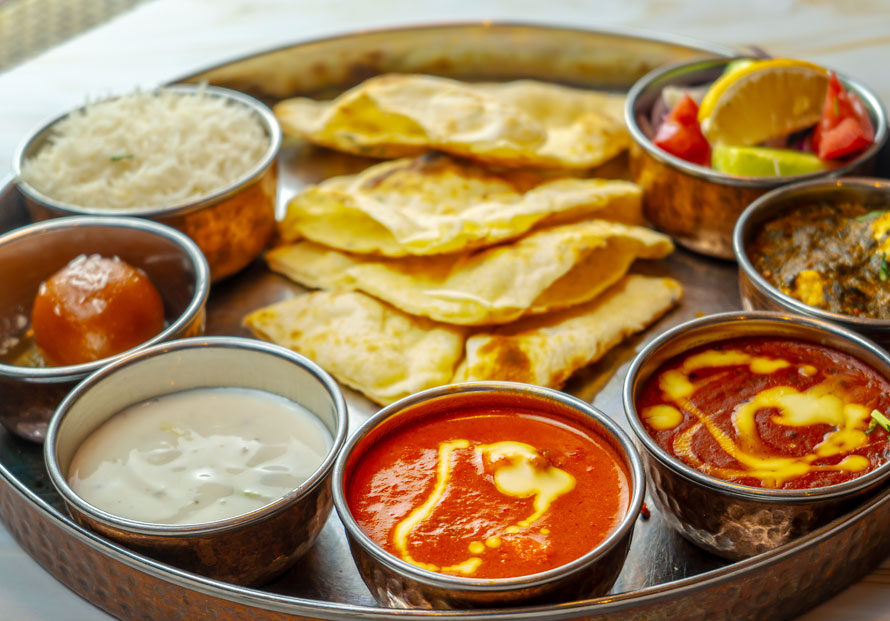
Following such heavy exposure to these significant art collections, however, many visitors find themselves looking a little further inwards towards the city. Maharaja Dininghouse near Damrak ensures a seamless switch from culture to comfort, and is one you can definitely trust. Conveniently located and loved for its real Indian food, it provides a warm environment where you can escape, savour fine fare, and ruminate over a day of exploring Amsterdam’s art world.

History, Humanity, and the Stories of Amsterdam
Anne Frank House
Amsterdam's Most Poignant Reminder: One of Amsterdam's most profoundly emotional landmarks rekindles the memories of its darkest hour through candid and personal graffiti. To wander through the cramped rooms where Anne Frank and her family hid during World War II is to bring history directly home that way, in a most personal manner. The frequent display of preserved spaces, original writings, and thoughtfully selected exhibits helps to communicate the emotional truths of fear, defiance, hope, and resilience at a time when Europe was at its lowest. Instead of a spectacle for the senses, the museum invites respectful silence, enabling visitors to ponder how terrible and yet also inevitable the Holocaust was.
Due to the emotional weight of the experience, many travelers need a pause afterwards. Such a tranquil, relaxed space to rest, recover, and refocus is really crucial after such an intense rendezvous with history. Central Amsterdam supports this move back into the city rhythm, with its inviting streets and relaxed atmosphere.
Rembrandt House Museum
The house where Rembrandt lived and worked has been turned into the Rembrandt House Museum, offering a more intimate visit about one of the country’s most well-known painters. Unlike these conventions, however, the museum presents the artist’s natural habitat down to its domestic side: period furniture, personal tools, and working spaces. Visitors learn about Rembrandt’s methods with live demonstrations and careful explanations, not only seeing his finished masterpieces but also how he made them as well.
It’s an intimate, immersive experience that creates a powerful sense of connection with 17th-century Amsterdam and the daily life of a creative imagination. "Once you've been through these historically heavy interiors, a lot of people tend to enjoy slowing down and relaxing before retracing their steps.
Museum Van Loon
Museum Van Loon offers a glimpse of the plush lives lived by some of Amsterdam’s wealthiest canal-house dwellers. Housed in a fabulously well-preserved old home, the museum displays chic chambers, vintage furnishings, family portraits, and a restful garden that's hidden from busy streets. The visit provides a balance of elegance and social history, in that it reveals something about the more superficial aspects of life in the city — how status and tradition, combined with domestic reality, helped to form its cultural identity.
The still refinement of the museum, and especially its garden, seems to encourage visitors to proceed at a slower and more contemplative pace. It contributes gracefully to the broader historical story of Amsterdam and fits naturally with a genial progression of the day.
Amsterdam Museum
Ideal for those who really want to get know the city, the Amsterdam Museum tracks the changes that have shaped Amsterdam over hundreds of years. From its medieval beginnings and its sea-based expansion to its modern multi-cultural identity, the museum brings history to life with interactive displays, artefacts, and storytelling. It provides context, making sense of the landmarks visitors are confronted with up and down the city, which reveal how history , trade, migration, and invention have shaped what Amsterdam is today.
With such historically pertinent places to visit, it is only natural that tourists often find themselves returning to central Amsterdam. The setting provides a convenient crossover from museum to rest, pleasure, and leisure; in fact, this is the place where thought can be given to the day’s discoveries as well as taste of the city's light-hearted though above all convivial flair.

Canals, Architecture, and Hidden Gems
Museum of the Canals
Amsterdam’s canals are more than just picturesque waterways – they are the city’s structural backbone, the plot upon which the city was formed and grew. The Museum of the Canals tells a compelling and accessible story about how this complex canal system was created–and why it endures as the lifeblood of Amsterdam. Interactive exhibits, multimedia narratives, and elaborate models demonstrate to visitors how city planning, commerce, and engineering fused to establish an efficient working city that existed so beautifully. The museum situates the canals in a larger historical context, addressing how they facilitated economic growth, influenced daily life, and eventually became a UNESCO World Heritage site. The experience is a lesson in appreciation for the city’s intricate infrastructure, and will prove invaluable context for every canal-side walk that comes after.
Houseboat Museum
And if you’re after a more personal insight into canal life, the Houseboat Museum actually lets you walk straight into an old houseboat that is fully furnished. This little museum is a testament to how people have made a life for themselves on Amsterdam’s waterways, converting practical vessels into cozy homes. The inside is full of smart tricks in planning and design, combined with a life in close contact with the canals’ rhythm. Rather than this canal living being presented as some sort of novelty, the museum presents it as something that has been a long-standing and respected tradition within the housing culture of the city. The visit humanizes the canal story by adding to the larger historical narratives a sense of everyday experience.

Museum Ons’ Lieve Heer op Solder
Amsterdam’s most fascinating secret is unveiled at Museum Ons’ Lieve Heer op Solder – an entire church packed away inside the attic of a 17th-century canal house. It was constructed at a time when public Catholic worship was proscribed; as such, it is an eloquent testament to religious tolerance and silent cohabitation in the city’s past. The ascent through cramped staircases and rooms before arriving at the church space amplifies the discovery. A contrast to the domestic rooms below, it is also seated and has an altar in perfect condition. It’s a wonderfully thought–provoking way of showing how beliefs, compromises, and architecture intersect in not-so-unusual Amsterdam lives.
Beurs van Berlage
The Beurs van Berlage is a physical reflection of Amsterdam’s commercial aspirations and its architectural development at the beginning of the 20th century. Built by Hendrik Petrus Berlage, the building was in direct contrast to extravagant decor in style and reflected a new functionalistic attitude towards design. It was built as a stock exchange and reflects the city’s history as a global trading hub, as well as its impact on modern architecture. Today, the building is a cultural and civic landmark, passed through by those visiting downtown. Its sturdy brick construction, combined with its central location ensure that it becomes a logistical halfway zone in any walking tour of the city.
Altogether, these canal-area attractions are easily walked to from Dam Square and Damrak. The fact that these are so close together means you don’t have to spend half the day travelling between cultures. It's this compact design that makes it so easy to switch from historical edification to relaxation and entertainment - a reminder as to why central Amsterdam is such a successful and attractive place for exploring the city.

Photography, Science, and Innovation
FOAM Museum of Photography
FOAM Fotografiemuseum is an essential stop for those interested in contemporary visual culture and narratives. Regarded for its ever-changing exhibitions, FOAM features a thoughtful blend of emerging voices and the work of celebrated photographers from around the world. The museum’s exhibitions tend to delve into topics like social questions, identity, fashion, body of work photography, and also experimental photography, which means no two visits are alike. It is located in a historic canal-side building and brings the old and new together to create visual beauty that also engages and challenges your brain. Most visitors leave with a new perspective and appreciation for photography as a changing art.
Visitors appreciate time away from the intensity of the galleries to breathe and reinvigorate, after having absorbed detailed visual narratives and exhibition themes.
NEMO Science Museum
Easily identified by its striking green building on stilts over the water, the NEMO Science Museum is one of Amsterdam's most popular attractions for families and anyone inquisitive about science, whatever their age. Among the hands-on exhibits, you can touch is a push-button wall of sound. With interactive exhibits on physics and engineering to shows about energy and the body, the museum makes learning a whole lot of fun. Due to its open-ended and playful environment, all age groups can enjoy a journey of exploration at their own pace – whether toddler or teenager, student or pensioner.
A visit to NEMO is an upbeat, hands-on experience that tends to tire you out after a few hours of play. So naturally, heading back toward central Amsterdam for a casual dinner starts to feel like the next phase of the day.
Micropia
One of the most unique museums in the world, Micropia showcases all things microscopic – tiny organisms that are so small they can only be observed through a microscope. Across interactive microscopes, live presentations, and cutting-edge installations in the museum, visitors discover the impact of microbes on our health, food, and the environment. Instead of abstract science, Micropia is a place that empowers people to wonder and become aware of what they would normally never come across. The experience is by turns enlightening and disorienting, and often changing the way visitors understand the world around them.
After all that vibrant and intellectually challenging museum-going, many visitors head back to the city center for the rest of our suggestions. The Damrak area is particularly handy, with lots of restaurants that cater to both families, couples, and groups. Central venues like the Gandhi Restaurant check off your requirement for a snug space to relax, savor a hearty meal, and end an entire day full of wandering around Amsterdam in the most relaxed manner possible.
Jewish Heritage and Cultural Diversity
Jewish Historical Museum
The Jewish Historical Museum provides a thorough and meaningful experience of the life of Dutch Jews throughout history. With the help of personal narratives, religious tokens, artworks, and multimedia displays that make up the museum’s exhibits, it showcases both the cultural enrichment and historical hardships of Jewish communities. Rather than concentrating on just one time period, the museum provides a sweeping cultural history of everyday life, traditions, intellectual accomplishments, and the lingering effects of World War II. The exhibitions promote understanding and empathy, a way for visitors to put in perspective how Jewish culture has enriched (and continues to enrich) the Dutch people.
The museum’s serene approach, while it may seem quiet and low-key, provides plenty of opportunity for visitors to engage with the content in a meaningful way, truly making it a must-see destination for anyone interested in history, identity, and social resilience.
Portuguese Synagogue
Nearby is the Portuguese Synagogue, one of the largest and most preserved synagogues in Europe. Constructed in the 17th century, it’s a testament to the moderate degree of religious freedom that was given to Jewish communities by Amsterdam at that time. The interior of the synagogue is also impressive: a large, open room lit by hundreds of candles during services, giving an atmosphere that will make you feel like you’ve been transported back in time. Filtered light, wood furniture, and original architectural details create a feeling of calm, dignity, and reflection.
The Portuguese Synagogue isn't so much an attraction as it is a mood. It encourages passers-by to stop, look, and reflect on the ideals of tolerance and coexistence, which are the bedrock of Amsterdam’s social ethos.
Hermitage Amsterdam
Hermitage Amsterdam brings an international aspect to the city’s cultural institutions. A part of the famous Hermitage Museum, it offers significant special exhibitions on art, history, and culture from around the world. Its exhibitions are rotating and focus on different issues, usually looking at major issues globally through the lens of a local perspective. Housed in a riverside historic building, the venue is an alluring setting that seamlessly combines architectural legacy with world-class curatorial excellence.
Hermitage Amsterdam further underscores the city’s historic “crossroads” character—a place open to influences from around the world, but at the same time staunchly local.
Together, these destinations speak to Amsterdam’s rich history of diversity, openness, and exchange. They teach how so many different communities, beliefs, and artistic influences have coexisted and thrived over time. The same ethos can be found beyond the museums and monuments, in the everyday life of Amsterdam and its cosmopolitan ambiance.
Fun, Interactive, and Quirky Attractions Near Dam Square
Ripley’s Believe It or Not!
Situated within steps of Dam Square, Ripley’s Believe It or Not! provides a fun, anachronistic museum experience that yields remarkably little resemblance to traditional cultural institutions.” Occupying several floors, it's crammed with curiosities, puzzles and optical illusions, interactive exhibits and strange artefacts from across the world. Visitors are invited not only to look, but also to play along, posing for photos, challenging perception, and interacting with hands-on exhibits. The vibe is fun, energetic, and is especially attractive for families, groups of friends, or visitors looking to add some whimsy and lightheartedness to their sightseeing experience.
Due to its central location and lively ambiance, Ripley’s is also a great “break” to schedule between other, more serious, historical or artistic visits.
Madame Tussauds Amsterdam
Madame Tussauds Amsterdam One of the top tourist attractions in the area around Dam Square, Madame Tussauds Amsterdam is fun for all ages and wondrously interactive. Within, detailed wax replicas of global celebrities ranging from entertainment personalities and sports stars to musicians and politicians beckon guests to pose with and photograph in themed environments. The museum is an amalgam of pop culture and immersive design, a formula that has proved particularly attractive to tourists in search of colorful, shareable experiences.
The informal, fun atmosphere of Madame Tussauds offers a refreshing break during the action-packed day of sightseeing and can be enjoyed by visitors in all seasons – rain or shine - with something new at every turn.
KattenKabinet
KattenKabinet is one of the loveliest and most surprising museums in Amsterdam: a full-on ode to cats in art, literature, and popular culture. Located in an old canal house, it boasts works by famous artists, including paintings, sculptures, posters, and photographs, all with a feline theme. The intimate space and playful theme make for a laidback, personable experience ideal for animal lovers and art appreciators alike.
In contrast to grander museums, KattenKabinet is designed for visitors who crave the time to appreciate the details – it's an oasis of calm in a world that happens just outside, a few steps away on a busy tourist street.
Because these attractions are all near Dam Square and Damrak, they can be easily incorporated into a central Amsterdam itinerary. After a day of fun, interaction, and discovery, visitors find themselves drawn to city-center peripheral areas for an unfussy pass from sightseeing to rest.
Where Culture Meets Comfort: Dining in Central Amsterdam
After seeing the museums, historic neighborhoods, and cultural landmarks of Amsterdam, sitting down to a fine meal is a cherished part of any trip. City sightseeing generally requires long walks, standing for hours in galleries, and moving from one attraction to another. Central Amsterdam – especially in the Damrak area is the perfect place to stop and refuel with a good meal without taking away any of the dishes as experiences from your day. Location near major museums, Dam Square, and Centraal Station makes it one of the city's most convenient dining areas for visitors around the clock.
In particular, Damrak is the link between Amsterdam, but generally, this street has a connective function in the city. It is often passed through by travelers seeking to get from cultural sites to shopping streets, canal neighborhoods, and transport nodes. This makes eating here not merely easy but tactical, so it dispenses you from taking long detours or doing any kind of planning. This allows for a comfortable ease of shifting gears from one sightseeing to the end of the day.
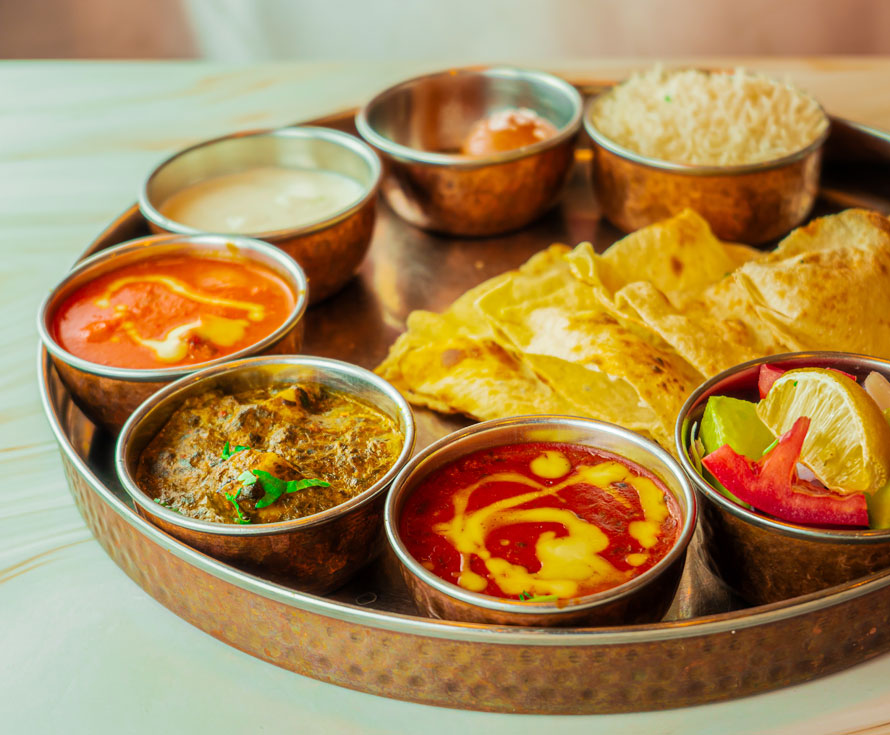
This Restaurant Is at Damrak 54, 1012 LL Amsterdam. The Indian restaurant with the feel of a business that is very much part of the rhythm of a Dutch town. Its central location means that visitors can pop in after sightseeing simply and quickly, and offer a calm, welcoming space away from the bustle outside. ‘The space is just right for many types of diners: couples seeking an intimate supper, families reuniting after busy days, or friends who want to compare notes on their experiences around the city.
If diners opt to eat in and around central Amsterdam, they’ll also get the most out of their time without compromising on comfort or quality. At the end of a long day (or when you’re just feeling like grabbing a bite that is conveniently located in between visits to your favorite cultural spots), dining on Damrak helps round out an easy, fun, and satisfying balance of poppy cultural reference points — where the city’s art, convenience, and comfort put their arms around one another.
Final Thoughts
Amsterdam’s museums weave a rich and layered narrative of art, innovation, resilience, and cultural diversity. With globally recognized museums, like the Rijksmuseum, and emotionally charged sites such as the Anne Frank House, this is a city that tells stories of both history and creativity in a manner that is real and unforgettable. In addition to those landmark spaces, smaller and more specialized museums — devoted to subjects like science, photography, canal life, and contemporary culture — guarantee that Amsterdam presents something of interest for every sort of visitor.
What makes the city truly unique is how seamlessly these cultural experiences integrate into moving around in Amsterdam from day to day. Attractions are easily accessible, distances are not unreasonably long, and the change from adventure to relaxation is seamless – there’s none of that feeling where you return home from a holiday more tired than when you left. When you’ve spent hours strolling through galleries, taking in exhibitions and stories of eras past, sitting down for a good meal is another part of the journey — physically and metaphorically.
The centre of Amsterdam, and especially Damrak's burgeoning precincts, is pivotal to setting the balance between discovery and ease. It’s close to the major museums, Dam Square, and Amsterdam Central Station, which makes for a convenient stop at the end of a day out sightseeing. In this scenario, Gandhi Restaurant is a very reasonable and convenient choice for tourists wishing to unwind after a long day of sightseeing. Set right on Damrak, it slots seamlessly into a museum-themed schedule.
In the end, Amsterdam is a place that encourages you to take it slow and really think about what kind of time you want to have. Whether you are exploring world-renowned treasures, getting behind the scenes, or enjoying interactive and contemporary displays, enhancing your visit with a relaxed meal takes it to the next level. That way, you can experience Amsterdam in an enriching and truly pleasurable way from the very beginning by balancing cultural immersion with comfort.